What to Pack for Your Safari & Essential Travel Information
Planning your safari to Kenya or Tanzania? Excellent choice. Now comes the part where you stare at an empty suitcase wondering what on earth you’re supposed to bring to the African bush. Don’t worry. We’ve done this a few hundred times. Here’s what actually matters.
Your Safari Wardrobe
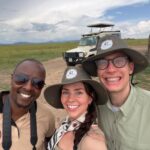
Choose neutral-colored clothing in beige, khaki, olive, and brown. These colors blend naturally with the environment, help keep you cooler, and are less attractive to insects. Avoid bright colors and white, which show dust quickly and can startle wildlife.
Temperature varies significantly throughout the day. Early morning game drives begin at dawn when temperatures can drop to 10-15°C, while afternoons often reach 30°C. We recommend packing:
- Lightweight long-sleeved shirts and full-length trousers for sun and insect protection
- A warm fleece or jacket for morning drives
- Comfortable closed-toe shoes or boots
- A wide-brimmed hat and quality sunglasses
- Light rain jacket (particularly important June-September)
- Casual clothes for relaxing at camp in the evenings
Photography Equipment
Most guests find these items invaluable:
– Binoculars (8×40 or 10×42 magnification recommended)
– Camera with telephoto lens for wildlife photography
– Extra batteries and multiple memory cards
– Dust-proof bags to protect electronics from fine dust
– Portable charging bank
Health and Personal Items
Pack high SPF sunscreen the equatorial sun is intense. Bring insect repellent containing DEET (30% or higher), anti-malarial medication (consult your doctor before travel), and any prescription medications with copies of prescriptions. A small torch or headlamp is useful for navigating camps after dark.
Frequently Asked Questions
How do I apply for the Kenya eTA?
After booking your safari and paying your deposit, we’ll provide a travel document containing your passport details needed for your Electronic Travel Authorization application. If your deposit paid covers all of your accommodations, we’ll also share confirmation vouchers to upload for your application. The eTA process is straightforward and should be completed before your departure. This is the official government website to apply for your eTA: https://etakenya.go.ke/
When does the Great Migration occur?
The annual wildlife migration takes place between June and September, when approximately two million wildebeest, zebras, and other species move between Tanzania’s Serengeti National Park and Kenya’s Maasai Mara National Park. The dramatic river crossings are particularly spectacular during this period. Throughout the rest of the year, these herds can be observed across different regions of the Serengeti ecosystem.
What weather should I expect?
Both Kenya and Tanzania enjoy warm, tropical climates year-round. Daytime temperatures typically range from 25-30°C, while early mornings and evenings can be considerably cooler at 10-15°C. The long rains occur March through May, and short rains November through December, though safaris operate throughout the year.
Is tipping customary?
Tipping is standard practice and forms an important part of income for guides and camp staff. We suggest budgeting approximately $10-15 per person per day for your safari guide, and around $10 per day to be shared among camp staff. Adjust based on the quality of service you receive.
Will my electrical devices work?
Kenya and Tanzania use UK-style three-pin plugs (Type G) with 240V power. You’ll need a universal adapter. Most lodges and camps provide charging facilities, though some remote locations only offer power during specific hours. We recommend bringing a portable charger as backup.
What about visas?
Kenya requires an eTA (as detailed above), while Tanzania requires either an e-visa obtained online in advance or a visa on arrival. Requirements vary by nationality, so please verify current regulations for your specific passport well before travel.
What type of accommodation can I expect?
We offer accommodation options ranging from basic camping to luxury tented camps and lodges, suited to different budgets and preferences. All options provide authentic bush experiences with varying levels of comfort and amenities.
Is travel insurance necessary?
We strongly recommend comprehensive travel insurance that covers medical emergencies, evacuation, trip cancellation, and lost luggage. Medical evacuation from remote areas can be extremely costly, and proper insurance provides essential protection for your journey.
What vehicles do you use?
Our safari vehicles are either Land Cruiser jeeps or specially modified mini-vans, both designed specifically for wildlife viewing. Each features a pop-up roof allowing excellent photography opportunities and unobstructed game viewing. Every passenger has a window seat for optimal viewing.
What are meals like on safari?
Lodges and camps serve buffet-style meals featuring international cuisine with African influences. Most properties accommodate dietary requirements with advance notice, so please inform us of any special needs when booking.