WHEN TO TRAVEL TO KENYA
Kenya is a one-of-a-kind destination, rewarding travelers with an all year round travel experience. From its vast savannahs swarming with wildlife, to tropical beaches along the Indian Ocean, the country offers a diverse range of experiences that shift beautifully with the seasons. Choosing the best time to visit Kenya depends largely on what you want to see and do. Whether it’s witnessing dramatic wildlife migrations, enjoying quieter parks, or soaking up the sun on the sandy beaches of the coast, Kenya will not disappoint.
Kenya’s Seasons
Kenya lies along the equator hence its temperatures remain relatively stable throughout the year. Instead of the common distinct seasons, Kenya experiences dry and rainy periods. The rainy period has both long and short rains.
The long rains typically fall between March and May, while the short rains occur from November to early December.
The dry seasons lie from January to February and June to October, and are generally the best times for wildlife viewing.
Best Time for Safari
Dry Season
For a classic African safari experience, the dry season is the ideal time for a visit. From June to October, parks like the Masai Mara National Reserve come alive with excellent wildlife sightings. Due to thinner vegetation, animals are easier to spot, and many gather around water sources making your experience exceptional.
The period coincides with the wonder that is the Great Wildebeest Migration, the largest, annual, animal migration in the world. Millions of wildebeest, zebras, and gazelles cross from Tanzania’s Serengeti ecosystem into Kenya’s Mara ecosystem in search for greener pastures. River crossings at the Mara River, where the Nile Crocodiles lie in wait, are among the most spectacular wildlife shows on Earth.
The Nile Crocodiles in the river get to feed on drowned animal carcasses for months after, and the Cat predators at the River shores prey on the weak of the herds. For photographers and first-time safari-goers, this is often the most sought-after time to visit.
January and February also offer excellent game viewing. These months are hot and dry, with clear skies and fewer crowds compared to peak migration season. It is also a fantastic time for birdwatching, as migratory species are present.
Green Season
The Green season, representing the rainy months, is often overlooked. These months offer their own unique charm.
The long rains (March to May) transform the landscape into a lush, green paradise. Parks are quieter, accommodation rates are lower, and the scenery is incredibly photogenic. Although heavy rains sometimes affect road conditions, this period is ideal for travelers seeking solitude and value.
The short rains in November and early December are usually lighter and more predictable, often occurring in the afternoons or evenings. Wildlife is still abundant, and the fresh greenery provides a stunning backdrop for photography.
The period is also when calving happens and witnessing birthing in the wild is a beautiful testament to the beauty of nature in itself. This time of year is particularly appealing for repeat visitors who want a different perspective of Kenya.
Best Time for Coastal Getaways
The Kenyan coastline, endowed with incredible destinations including the Diani Beach, enjoys warm weather throughout the year. However, the best time to visit is during the dry seasons, especially from December to March and July to October. During these months, the ocean is calm, making it perfect for swimming, snorkeling, and diving.
The months of April and May can be quite rainy along the coast, resulting in temporal closure of some resorts for renovations. A trip combining a safari experience and a beach retreat, planning around the dry season promises the best of both worlds.
Unique Experiences
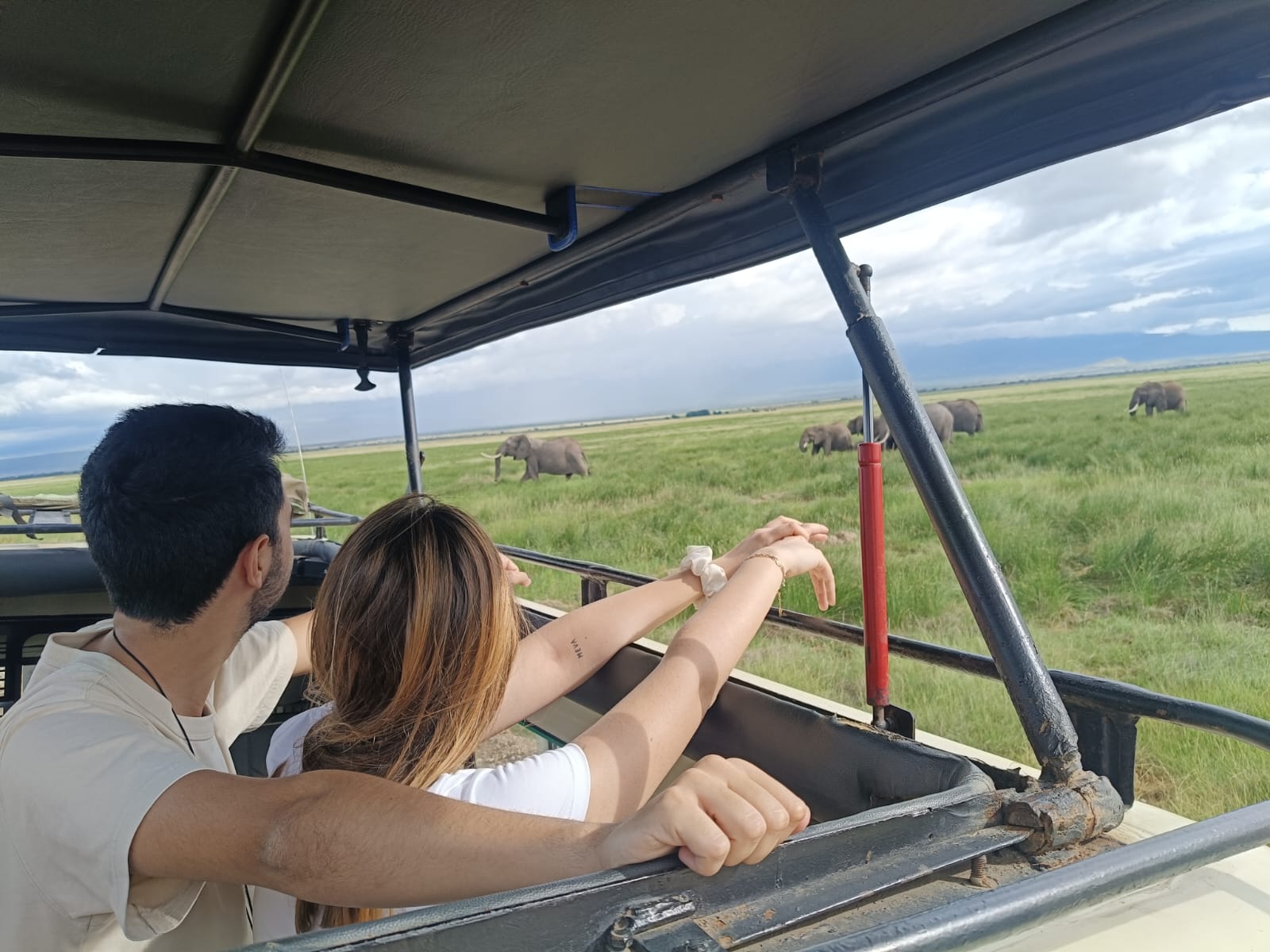
Beyond just a safari and beach experience, Kenya offers a variety of unique experiences, influenced by timing. In Amboseli National Park, the dry season offers clear skies and a feast on iconic views of elephants against the backdrop of Mount Kilimanjaro.
Lake Nakuru National Park, famous for its flamingos and rhino population, offers a year-round indulging experience, especially when the water levels are favorable.
In Kenya’s central, the Ol Pejeta Conservancy hosts a clique of unique experiences including meeting the last two white northern rhinos in the world, lion tracking and rhino tracking. The conservancy is at the forefront in educating and practicing rhino conservation efforts. However, the experiences, unbound by seasonality, are an all-year round affair.
Cultural experiences, such as visiting Maasai communities, offer a savory topping to your experience at any time of the year. However, accessibility to this delightful indulgence is easier during dry months.
So, When is The Best Time to Travel to Kenya?
There is no single “perfect” time to visit Kenya; the best time depends only on your travel interests.
When seeking for exceptional wildlife action and guaranteed sightings, an aim for the dry season, particularly during the migration months will be highly recommended. In light of a preference for fewer crowds, greener landscapes, and better value, a consideration to traveling during the rainy seasons will be best suited.
For enthusiasts of beach activities, the coastal dry periods offer idyllic conditions. Unique experiences focus on your timing and your interest including conservation enthusiasts and birdwatchers.
Ultimately, Kenya that adapts to your travel style, whether it’s the thrill of the wild or the calm of the ocean. At Antonio Safaris, we strive to bring the different stories of every season alive and make sure that each one is worth experiencing with us.