Where Nairobi Turns Wild
There are not many cities in the world where you can watch lions move across open savannah with a skyline rising in the background. Nairobi is one of them. Just a few kilometres from the city centre, Nairobi National Park sits like a wild secret that most first-time visitors never discover. If you are in Kenya and you skip this, you will spend the flight home regretting it.
This is not a zoo. This is not a theme park. This is 117 square kilometres of protected wilderness where the grass grows tall in the wet season, the animals move freely, and the silence at dawn feels like something you have to earn. And on a single well-planned day, you can combine the park with a visit to orphaned baby elephants and a face-to-face encounter with one of the world’s rarest giraffe subspecies.
Right on the Edge of the City
The Wild Side of Nairobi You Don’t Expect
The first thing that surprises people is how wild Nairobi National Park actually feels the moment you pass through the gate. The city disappears fast. Within minutes you are scanning open grassland for movement, watching oxpeckers land on buffalo backs, and realising that the skyline you can see on the horizon belongs to a different world entirely.
The park is open throughout the entire year with no seasonal closures, so it does not matter when your trip falls. That said, the dry seasons from June to October and again from January to February tend to offer the sharpest game viewing. Vegetation thins, water sources concentrate, and the animals come to you. The wet seasons have their own rewards though: newborn calves, dramatic skies, and a green landscape that photographers make the journey specifically to see.
The Animals Are Really Here
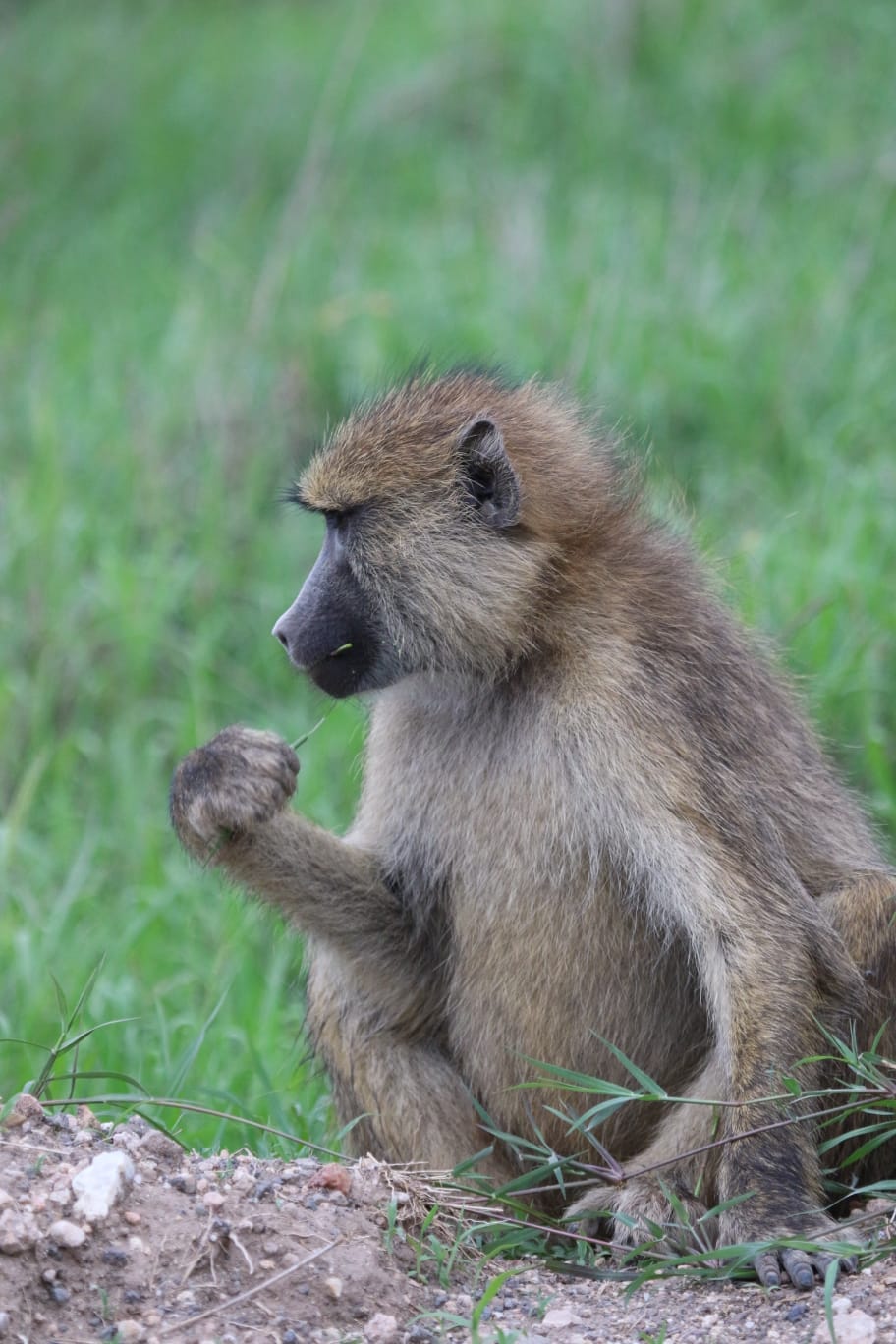
The wildlife list here is longer than most people expect. Lions are resident, with established prides that have been photographed countless times against that iconic skyline backdrop. Leopards are present too, though they are elusive and spotting one takes patience. Cheetahs roam the park and the relatively open terrain actually works in your favour here since there is nowhere for them to completely disappear.
Buffalo move through in herds. Black rhino, one of the most significant populations in the country, are here if you look carefully along the forest edges. Masai giraffe, zebra, wildebeest, eland, kongoni, impala, waterbuck, warthog and ostrich all share the grasslands. Hippos gather at the Athi River pools along the southern boundary and crocodiles hold court at the same water points.
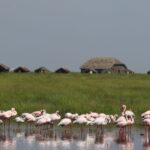
For birdwatchers, this park is something close to a gift. Over 400 species have been recorded here, making it one of the most bird-rich protected areas of its size anywhere in Africa. Secretary bird, martial eagle, Verreaux’s eagle owl, crowned lapwing, African fish eagle, marabou stork, augur buzzard and a full cast of vultures, sunbirds and weavers are all possible on a single morning drive.
Park entrance fees are $80 per person for non-residents and $40 for African residents.
The Elephant Orphanage: Kenya’s Most Moving Wildlife Experience
Just outside the main park gate sits the David Sheldrick Wildlife Trust, a place that will stay with you long after the rest of the trip fades. The trust has been rescuing and rehabilitating orphaned elephants since the 1970s and the programme it runs is respected by conservationists around the world.
Every morning the baby elephants come out for a two-hour visiting window. They play, mud-bathe and interact with each other in ways that feel completely unscripted. These are not performing animals. They are wild creatures in the early stages of a carefully managed process that will eventually return them to the wilderness. The keepers who raise them are extraordinary in their commitment: each one sleeps alongside their assigned elephant every night so the orphans never wake alone.
Many of these babies were found beside their dead mothers, victims of poaching or human-wildlife conflict. Watching them tumble around in the mud, ears flapping, pushing each other toward the milk bottles, something shifts in you. By the time you leave you know each elephant by name and story. You feel personally invested in their futures.
The David Sheldrick Wildlife Trust charges $20 per person for non-residents and is open throughout the year.
The Giraffe Centre: Eye to Eye With the Rarest Giraffe on Earth
A short drive from the elephant orphanage, the African Fund for Endangered Wildlife runs the Giraffe Centre, which has been breeding and protecting the endangered Rothschild giraffe since 1979. The Rothschild is one of the rarest giraffe subspecies anywhere in the world, distinguished by the absence of markings below the knee, which gives it the appearance of wearing white stockings.
At the centre an elevated platform puts you eye-level with their extraordinary faces. You hand-feed them directly. These animals are tall, gentle and completely unbothered by people, which produces photographs that seem almost impossible to believe afterward. If you are feeling bold, the giraffes will take a pellet directly from between your lips.
The conservation work here has genuinely moved the needle for this subspecies. The centre has successfully reintroduced Rothschild giraffes to several national parks and conservancies across Kenya and Uganda. Your visit supports that work directly.
Admission to the Giraffe Centre is $13 per person for non-residents and the centre is open throughout the year.
How Antonio Safaris Makes the Day Work Seamlessly
Doing all three in a single day is entirely possible and deeply rewarding, but the logistics matter. Nairobi traffic can turn a simple journey into a frustrating ordeal if you are navigating unfamiliar roads without local knowledge.
Antonio Safaris picks you up directly from your hotel, handles all the transfers between the park, the elephant orphanage and the giraffe centre, and makes sure the timing works so you do not miss the elephant morning window or spend two hours stuck on Langata Road. If it is your last day in Nairobi before flying out, we drop you directly at the airport after the day is done. You leave Kenya with the freshest possible memories rather than an afternoon sitting in a hotel lobby watching the clock.
A Few Practical Notes Before You Go
Start with the game drive at sunrise. The animals are most active in the cool early hours and the light for photography is extraordinary from dawn until around nine in the morning. The elephant orphanage opens mid-morning, which makes the sequencing natural and unhurried.
Bring binoculars if you have them. Even in a compact park, binoculars significantly improve the experience, especially for rhino sightings along the forest edge and birdwatching at the Athi River.
Dress in layers. Nairobi mornings can be genuinely cool even when the midday heat builds. Earth tones are the practical choice inside the park.
Charge your camera the night before. Between the skyline-backdrop game drive, the elephant mud bath and the giraffe feeding platform, you will take more photographs than you expect.
Nairobi has a habit of surprising people. Most visitors arrive thinking of it as a transit city on the way to somewhere else. The ones who take this day trip leave thinking of it as a destination worth coming back to on its own terms. The park alone makes that case powerfully. Add the elephants and the giraffes and you have something you will not stop talking about.